How Often You Should Stain Your Deck
To maintain your deck’s appearance and protection, local contractors can help determine how often you should stain your deck based on its condition and usage.
If you're a property owner wondering how often you should stain your deck, you're in the right place. Properly maintaining your outdoor space is essential for preserving its appearance and extending its lifespan. Factors such as the type of wood, climate conditions, and the amount of foot traffic can influence how frequently staining should be done. Understanding these practical considerations helps ensure your deck stays protected and looks its best year-round. Local contractors experienced in deck staining can provide guidance tailored to your specific environment, helping you determine the optimal schedule for upkeep.
Exploring how often to stain your deck is a common concern for homeowners looking to keep their outdoor areas inviting and durable. Regular staining not only enhances the visual appeal but also acts as a barrier against weather damage. Many property owners in the area turn to professional service providers for expert advice and quality workmanship. These local specialists can assess your deck’s condition and recommend a maintenance plan that aligns with your needs, ensuring your outdoor space remains beautiful and well-protected over time.
- Pressure-treated wood decks - local contractors often recommend staining every 1 to 3 years to maintain protection against weathering.
- Cedar or redwood decks - experts suggest staining every 2 to 4 years to preserve the wood’s natural appearance and durability.
- Composite decks - service providers typically advise less frequent staining, around every 3 to 5 years, if at all, depending on the product.
- Older, weathered decks - local pros may recommend more frequent staining, such as annually, to restore and protect the surface.
- Newly built decks - professionals often suggest waiting at least one year before staining for proper curing, then every 2 to 3 years afterward.

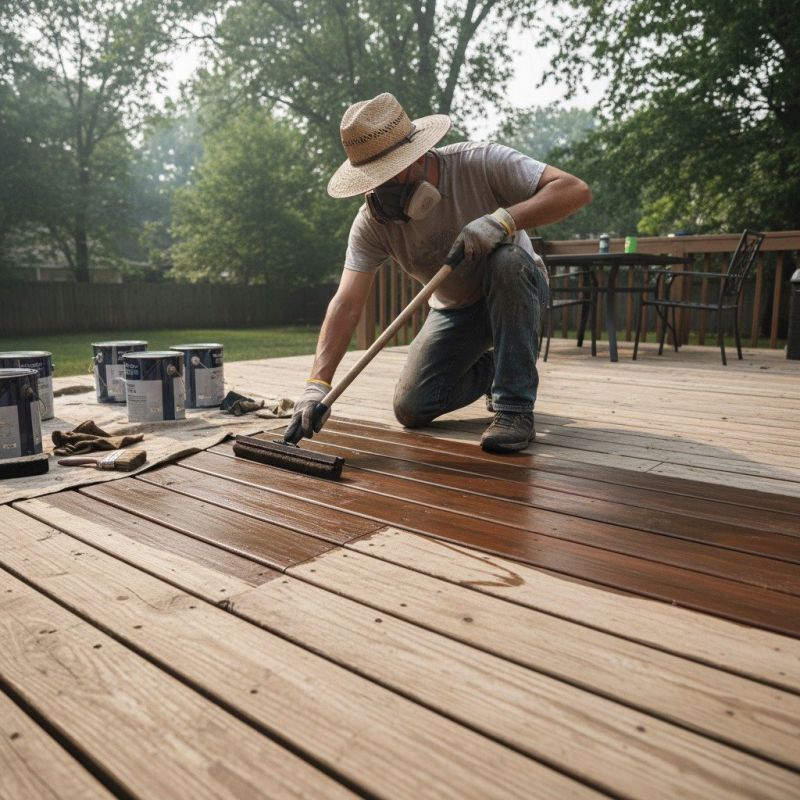
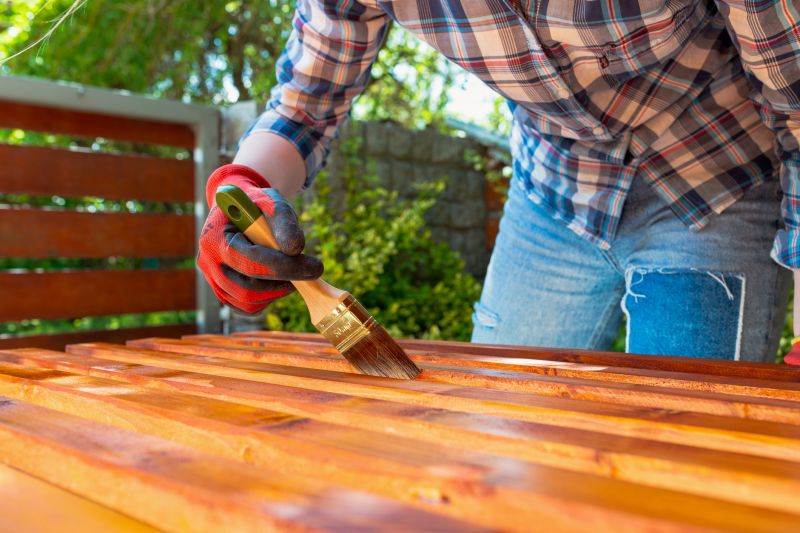
When homeowners search for how often you should stain your deck, they are typically trying to determine the ideal maintenance schedule to keep their outdoor space looking its best and protected from the elements. This question often arises when a deck begins to look faded, worn, or weathered, prompting questions about whether it’s time for a fresh coat of stain. Many people want to understand the lifespan of their current stain and how environmental factors, such as sun exposure, rainfall, and temperature fluctuations, influence the need for re-staining. The goal is to preserve the deck’s appearance and structural integrity while avoiding unnecessary work or premature reapplication.
This topic is closely related to common issues like wood deterioration, peeling, or fading, which can compromise the deck’s durability if not addressed in a timely manner. It also ties into plans for outdoor upgrades or preparing a deck for seasonal use, especially in regions with harsh weather conditions. Homeowners often consider how long the stain lasts before it needs refreshing, and what signs indicate that re-staining is overdue. Understanding these aspects helps prevent problems like rot, mold, or warping, which can result from neglect or improper maintenance. Local service providers who specialize in deck staining can evaluate the condition of a deck and recommend a suitable schedule based on its specific needs and exposure.
The types of properties that come up in discussions about how often to stain a deck typically include residential homes with wood or composite decks, outdoor patios, and multi-family complexes. Residential homes with backyard decks are the most common, especially those with untreated or lightly treated wood surfaces. Larger properties, such as rental properties or community spaces, also require regular maintenance to keep their decks safe and attractive. The age of the deck, the quality of the original stain, and the local climate all influence how frequently staining should be performed. Service providers often assess these factors during a consultation to determine the best timing for re-staining and to help homeowners plan ongoing maintenance.
For homeowners considering how often they should stain their deck, understanding the role of local pros is essential. These professionals can evaluate the current condition of a deck, identify signs of wear, and recommend a tailored schedule for re-staining. They can also handle the preparation work, such as cleaning and sanding, which is crucial for ensuring proper adhesion and longevity of the stain. By working with experienced local contractors, homeowners can extend the life of their decks, maintain their appearance, and protect their investment over time. Regular assessments and timely re-staining, guided by expert advice, help keep outdoor spaces safe, functional, and visually appealing for years to come.
Fence Staining Projects - These projects require similar surface preparation and staining techniques as decks, making them relevant for comparison and planning with local contractors.
Outdoor Furniture Refinishing - Refinishing outdoor furniture involves staining and sealing, which shares skills in surface prep and protective coatings with deck staining services.
Wood Deck Restoration - Restoring aged or damaged wood decks often includes cleaning, sanding, and re-staining, aligning closely with the maintenance advice for how often you should stain your deck.
Porch and Patio Surface Treatments - Applying protective finishes to porches and patios involves similar planning and application processes as deck staining, connecting these projects in scope.
Wood Fence Installation - Installing wood fences requires surface treatment knowledge that can be useful when considering how often to stain and protect outdoor wood structures.
Exterior Wood Surface Cleaning - Proper cleaning prepares surfaces for staining, an essential step that influences how often staining should be reapplied to maintain durability.

When comparing service providers for deck staining, it’s important to consider their experience with similar projects. Homeowners should look for local contractors who have a track record of working on decks comparable in size, material, and condition. An experienced professional is more likely to understand the nuances of different wood types and finishes, ensuring the stain is applied effectively and lasts as long as possible. Gathering information about their previous work or requesting references can help determine whether a contractor’s expertise aligns with the specific needs of the deck, especially when considering how often it should be stained to maintain its appearance and durability.
Clear, written expectations are essential when evaluating potential service providers. Homeowners should seek detailed proposals that outline the scope of work, including surface preparation, type of stain used, and the number of coats applied. This transparency helps prevent misunderstandings and ensures that both parties are aligned on the project’s goals. A reputable local contractor will be able to communicate these details clearly, providing confidence that the staining process will meet the homeowner’s expectations and that the results will support the recommended maintenance schedule for the deck.
Reputable references and good communication are key factors in choosing a dependable contractor. Homeowners are encouraged to ask for contact information from previous clients or read reviews to gauge overall satisfaction with the contractor’s work. Effective communication throughout the process-such as responsiveness to questions and clarity about procedures-can make a significant difference in how smoothly the project progresses. When a service provider maintains open lines of communication and has a history of satisfied customers, it indicates a level of professionalism that can help ensure the deck staining is performed properly, supporting the appropriate timing for future maintenance.
Property owners often search for how often you should stain your deck when they are planning practical projects around their homes and businesses. Local pros provide Deck Staining services for everyday jobs and straightforward project options.
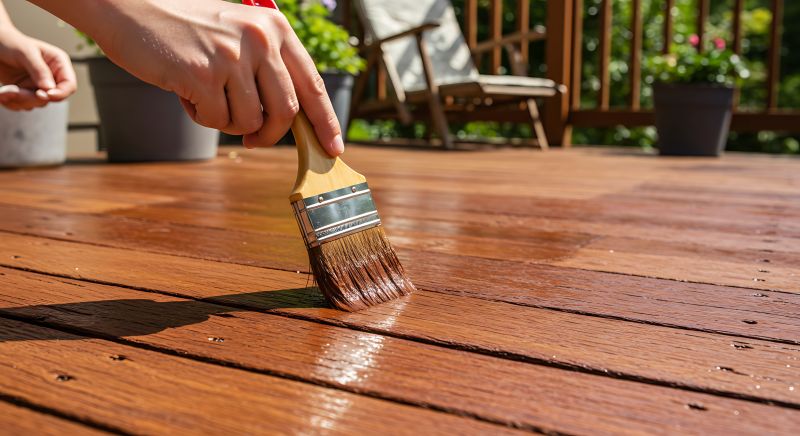
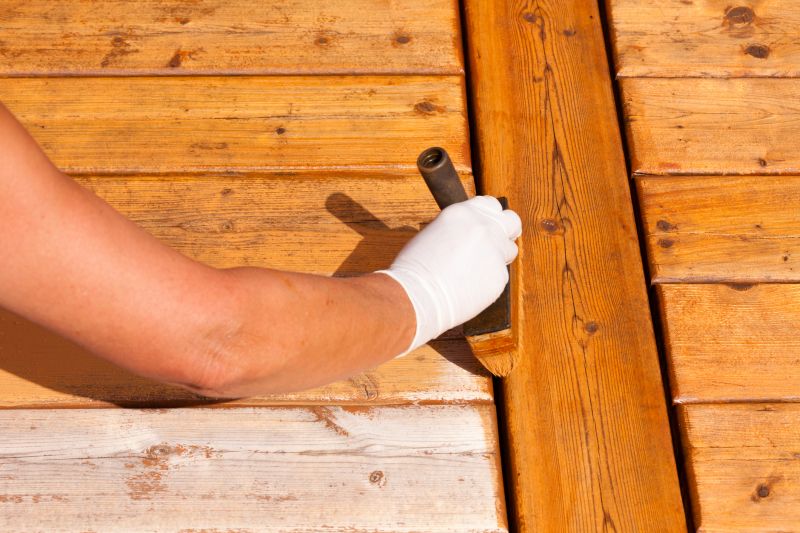
Understanding how often you should stain your deck is a common concern for property owners looking to maintain its appearance and durability. In general, decks exposed to frequent sun, rain, or heavy foot traffic may need staining every one to three years to keep the wood protected and looking its best. Conversely, decks in shaded or less harsh environments might require less frequent attention. Property owners often seek advice on this topic to ensure their outdoor spaces remain inviting and in good condition, prompting them to explore deck staining services offered by local contractors who can assess their specific needs.
Many local service providers can evaluate the current state of a deck and recommend an appropriate staining schedule based on factors like material type, weather exposure, and overall wear. Regular staining helps preserve the wood, prevent damage, and enhance the deck’s appearance over time. Property owners considering this upkeep often look for experienced local contractors to handle the job, ensuring the work is done efficiently and effectively to maintain their outdoor space’s longevity and aesthetic appeal.
How often should you stain your deck to maintain its appearance? Generally, decks should be stained every 2 to 3 years, but the frequency can vary based on the type of stain used, weather conditions, and the level of foot traffic. Local contractors can assess your deck's condition and recommend the best staining schedule.
What factors influence how often a deck needs to be stained? Factors such as exposure to sunlight, moisture levels, and the type of wood all affect staining frequency. Consulting with local service providers can help determine the optimal timing for your specific deck.
Can staining frequency change depending on the climate? Yes, decks in harsher climates with more sun or rain may require more frequent staining, typically every 1 to 2 years. Local pros can evaluate your environment and advise on appropriate maintenance intervals.
Is it necessary to stain a new deck immediately? It's recommended to wait until the new deck has fully cured before staining, usually within a few months, and then follow a regular staining schedule. Local contractors can provide guidance on initial and ongoing staining needs.
How can a professional stain your deck to ensure longevity? Professional staining involves proper surface preparation, choosing the right stain, and applying it evenly. Local service providers can handle these steps to help extend the life of your deck’s stain.
Consider deck material and wear patterns - different materials and usage levels affect how often staining should be refreshed, and local contractors can assess this during a project.
Evaluate seasonal weather impacts - exposure to sun, rain, and snow can influence stain longevity, making regular inspections helpful for timely maintenance.
Follow manufacturer recommendations - stain products often include guidance on reapplication intervals, which service providers can help interpret for specific decks.
Schedule periodic inspections with local pros - routine check-ups can identify when a new stain is needed to preserve deck appearance and durability.
If you are thinking about how often you should stain your deck for a property, this guide is meant to help you understand this topic, the typical project types, and how different options might fit your plans.
When you are ready, you can use the quote form on this page to share a few details about your project. From there, local pros can review the basics and follow up with options that match what you have in mind.